
The Power Windows Problem
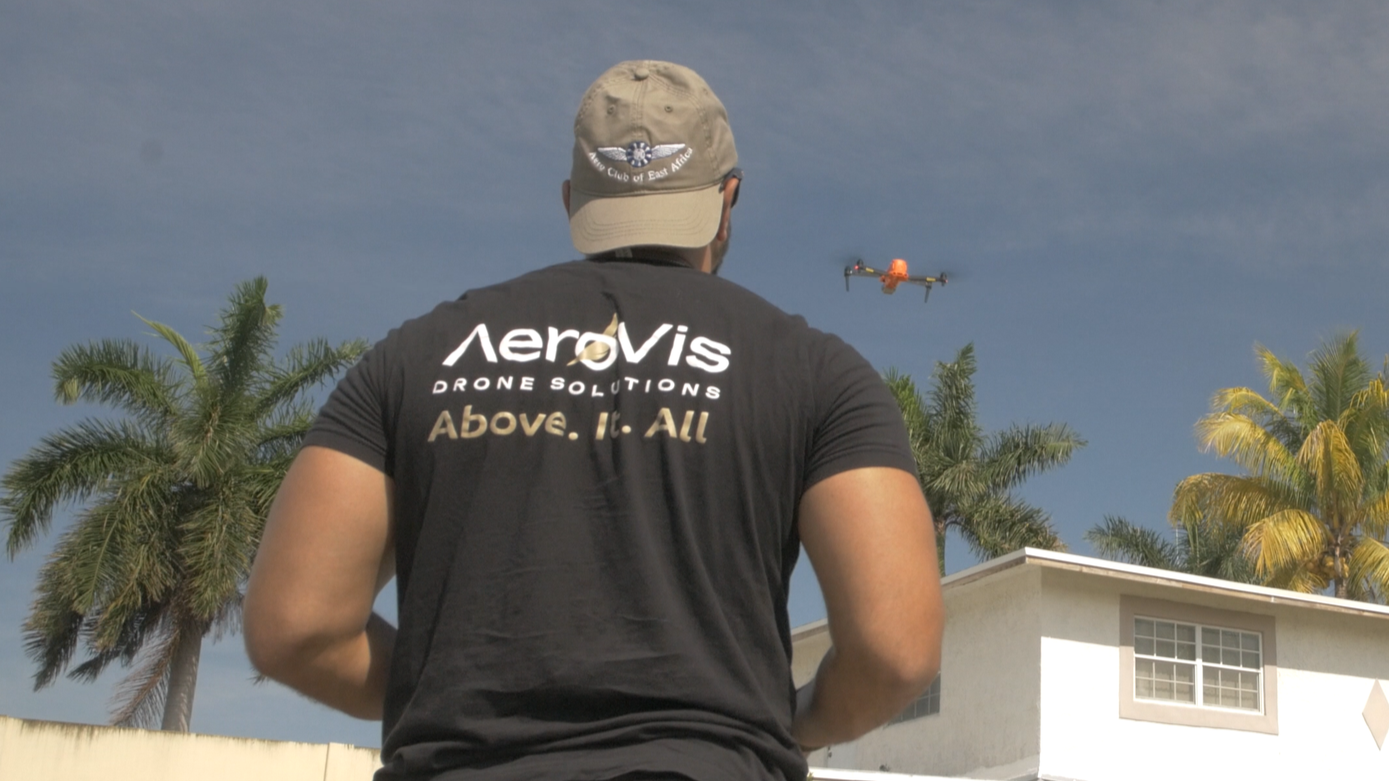
Above. It. All
Power windows used to be a luxury. A button to roll down a window felt ridiculous when hand cranks worked fine. Today you would not buy a car without them. You would not even notice they are there. The feature became the floor, not the ceiling.
Drones are in that exact moment right now. And almost nobody is talking about it correctly.
The luxury phase is ending. The standard phase is what we are building toward.
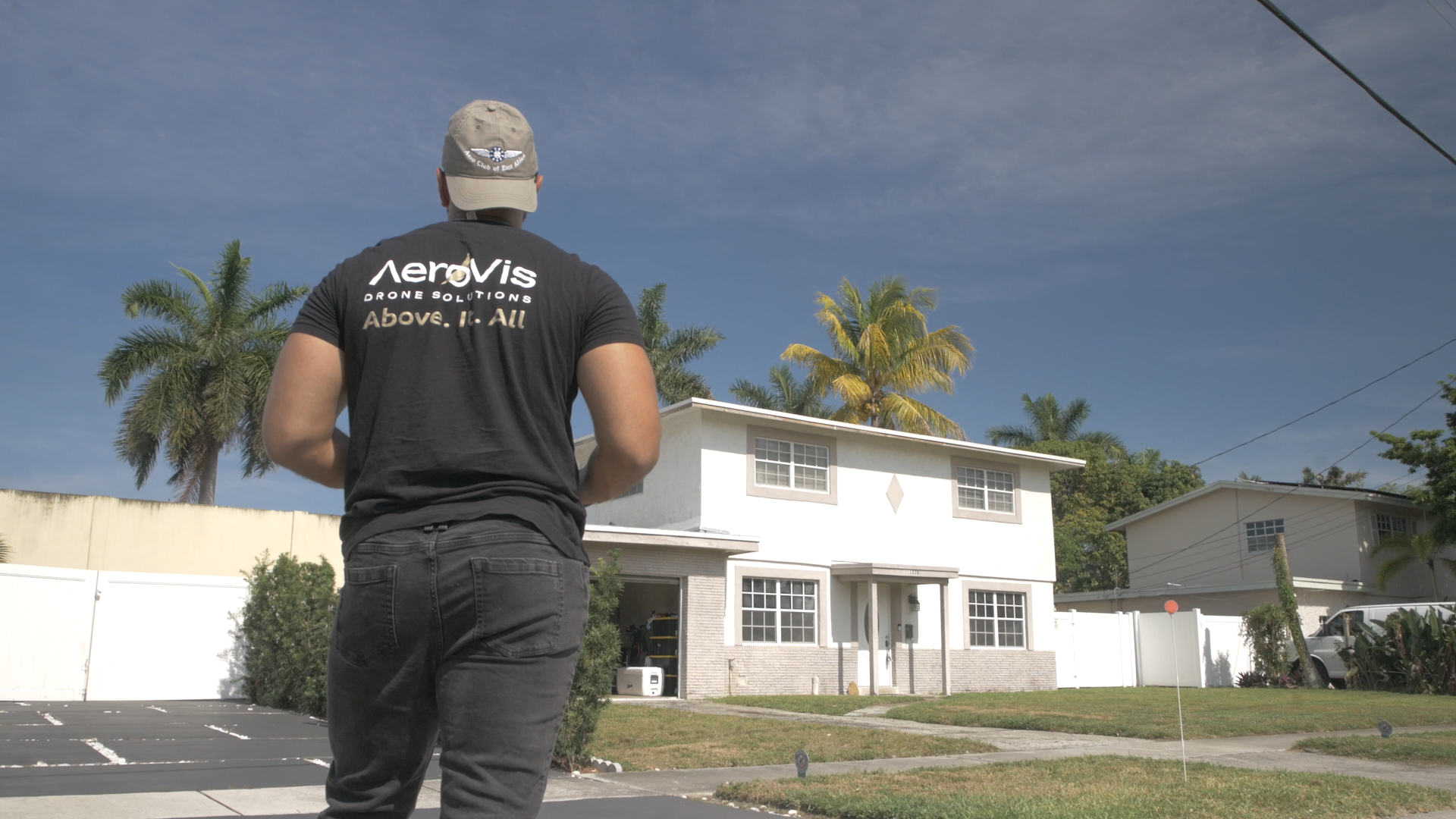
The luxury phase is ending. The standard phase is what we are building toward.
The Misread
When most people hear "drone" think when they real estate photos, wedding videos, maybe a hobbyist getting yelled at for flying too close to a beach. That is the public's mental model, and it is roughly ten years out of date.
What drones actually are, right now, today, is the cheapest aerial intelligence layer ever made available to a business. Thermal imaging that used to require a manned helicopter and a five-figure flight day now fits in a case in the back of a truck. Photogrammetry that used to take a survey crew a week happens in an afternoon. Roof inspections that used to require a ladder, a liability waiver, and a guy named Steve (Albert for me) happen in twenty minutes with better data and zero injuries.
The technology is not the story anymore. The technology arrived. The story is who is using it and who is not.
The Three Tiers
I have been in enough meetings over the last year to see a pattern, and it is the same pattern every time.
The big companies are already in. Energy majors, large agriculture operations, national infrastructure firms. They have internal drone programs, dedicated teams, and procurement budgets. They figured this out years ago and they are already compounding the advantage.
The medium companies know they need to. They will tell you so in the meeting. They will nod, ask smart questions, and walk away with the same conclusion every time. They know. They just have not been hurt enough yet to move. OF COURSE no one says this out loud. Its just clear to me that the pain of not doing it has not yet exceeded the pain of doing it. They are running lean, they are stretched across what they already know how to do, and adding a new capability, even one they believe in, drops to the bottom of the list the moment the meeting ends. The priority is real on Tuesday and gone by Thursday because something on fire took its place. That is the honest math of running a medium-sized business right now, and I respect it. I just know what it costs.
The small companies are waiting. Waiting for the price to drop more, for the regulations to settle, for a competitor to force their hand. They will deal with it later. Later is doing a lot of work in that sentence.
I am not judging any of these positions. I understand all three. I have been the guy with seventeen priorities. I have been the guy who said later. Nobody wants to slow down to go fast. I fight that instinct in myself every single day running this company.
But the math does not care how anyone feels about it.
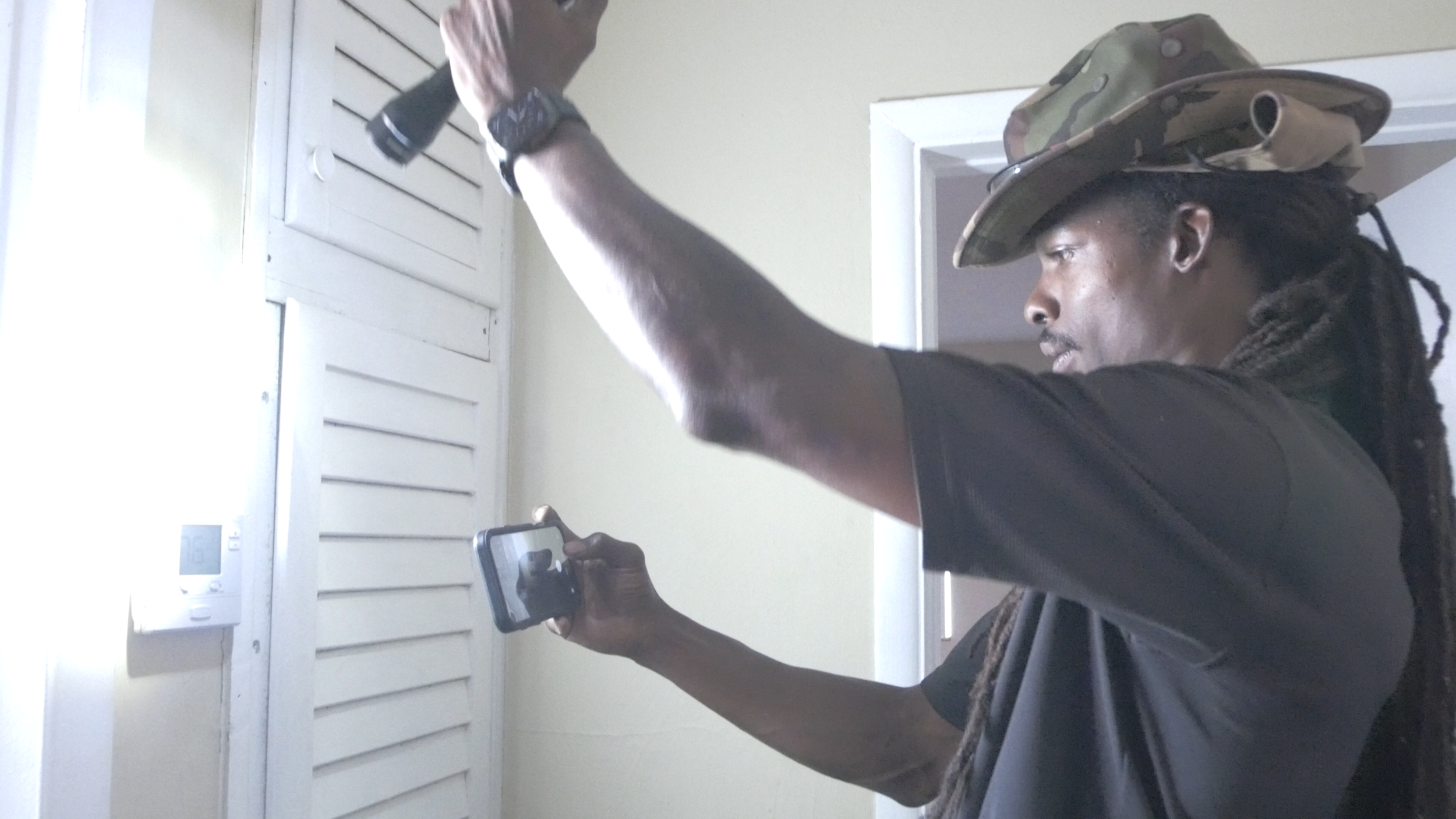
Drones do not replace the inspector. They extend his reach.
Where the Decade Gets Decided
The part I think gets missed. The competitive advantage in this transition does not go to whoever adopts drones first. That race is over. The advantage goes to whoever closes the gap between knowing they should and actually doing it the fastest.
That gap is where the next decade of margin sits. A roofing contractor who integrates thermal drone inspection into every estimate is not just faster. They are catching moisture intrusion their competitors literally cannot see. A construction firm running weekly photogrammetry on a job site is not just documenting. They are pulling delay claims forward by weeks and settling disputes with a 3D model instead of a lawyer. A property manager who knows the thermal signature of their roof before the hurricane is not luckier than the one who does not. They are just earlier.
The power windows analogy holds, but with a twist. The car companies that put power windows in early did not win because of the windows. They won because they built the manufacturing discipline to make a "luxury" feature standard. The same thing is happening now. The companies that build the operational discipline to make aerial intelligence standard, not special, are the ones who win the next ten years in their industry.
What We Are Building Toward
This is why AeroVis exists, and it is why we are spending so much time on education rather than just selling flights. The flight is the easy part. The hard part is helping a business understand what they are actually buying, what it does for their P&L, and how to integrate it into how they already work.
We are starting with roofing and construction in South Florida because that is where the gap is widest and the proof is fastest. A roof either has moisture in it or it does not. Thermal imaging either finds it or it does not. There is no debate, no soft metric, no quarterly report to interpret.
The drone either earned its keep on that job or it did not. That is the kind of beachhead I want. Provable, repeatable, undeniable.
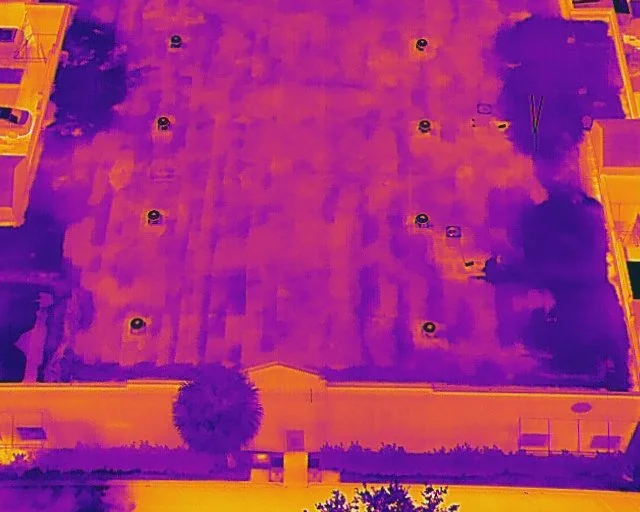
A roof either has a problem or it does not.
Thermal imaging is how the conversation stops being a guess.
Anyone can buy the drone. Not everyone can run the mission.
Everything else, the security overwatch, the Counter-UAS consulting, the R&D, the training programs, is built on the same principle. Aviation-grade discipline applied to ground-level problems. Whether that ground-level problem is a leaking roof or a protected facility, the standard does not move.
The Quiet Part
The companies that figure this out in the next 24 months are going to look, in 2030, like the ones who put power windows in early. Obvious in hindsight. Inevitable, even. And the ones who waited will tell themselves a story about timing, or budget, or readiness.
It will not be any of those things. It will be that they did not slow down long enough to go fast.
I think about that every night at 3 am. Not just for our clients. For us.
