
I Didn't Start Aerovis to Build a Culture. It Happened by Accident.
When I made the military to civilian transition, people warned me about the loneliness. I heard it enough times that it became background noise. I nodded along, filed it away, and quietly assumed it wouldn't apply to me. Like all things, I thought I was above such mortal feelings.
I was wrong.
There is something disorienting about stepping out of an institution that tells you exactly where to be, exactly what to do, and exactly who you are doing it with. And then suddenly having none of that. The civilian corporate world didn't fill that void. If anything, it deepened it. I found myself genuinely bewildered by corporate culture. The way people's entire personalities shift based on their title. The politics. The performance of busyness. None of it made sense to me, and I'm not sure it ever will.
So I started Aerovis, a drone solutions company.
Not to recreate what I had in the military. Not consciously, anyway.
The "Additional Duty" Feeling in a Veteran-Led Startup
If you've served, you know exactly what I'm talking about. One day your commander pulls you aside and says something like:
"Hey, we have a new tasking for you. You don't know anything about this, and yes, there is probably someone formally trained for it, but that person isn't allocated to us. We looked at who was most available, and while you are already drowning in your own work, you are now in charge of this too. You can't rebuke it, and yes, your entire performance evaluation will depend on your ability to execute both."
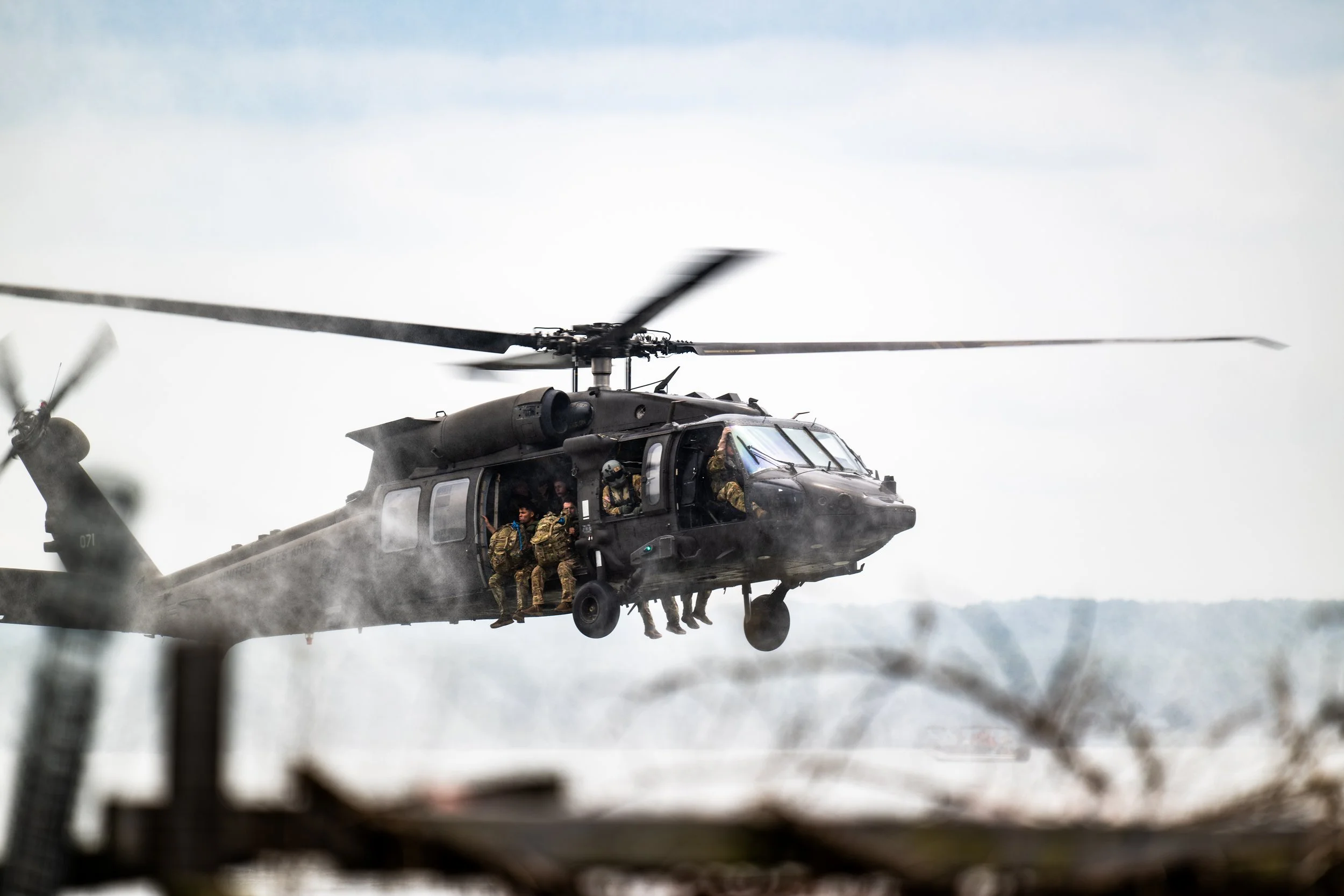
A UH-60 Black Hawk lifts off on my final flight after 20 years of Army aviation. Soldiers hang from the door, rotors cutting through the haze. I have flown in and out of more situations than I can count from a cockpit like that one. This was the last time.
That is what starting Aerovis feels like. Every single day.
The thing is, in the military, you did those assignments anyway. You did them to the best of your ability, without complaint, because it wasn't personal. It was just the nature of the beast. It was a commander doing their best to allocate manpower to a problem set with whatever they had available. You understood that (at least tried to), and so you got on with it.
In the military every day felt like an emergency. And after enough of those days, you stopped feeling the urgency altogether. The chaos became the baseline. New crises stopped registering as crises.
It was less of a reaction and more of a quiet acknowledgment:
"Oh, we are doing this now?"
Running a startup has that same energy. The problems don't stop coming. You just get better at not flinching.
I don't always know what I'm doing. I won't pretend otherwise. But I am making strides every day to turn this into something tangible. And along the way, people have attached themselves to this idea. People who believe in the vision before the vision is fully formed. I am eternally grateful for every single one of them.
Building a Startup Culture on Military Accountability
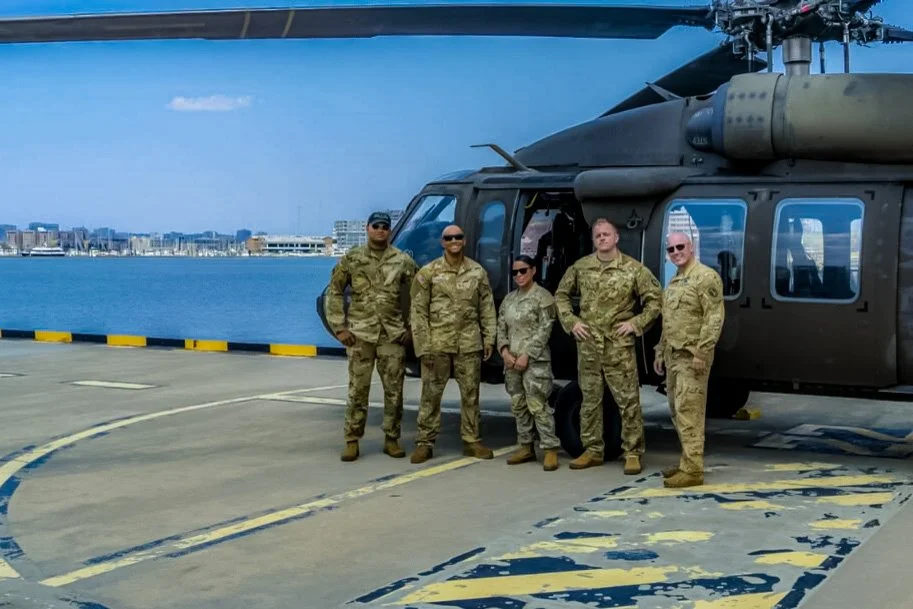
My Last Flight: 20 Years of Army Aviation
My last flight. These are the people who were with me, or were part of my journey, across 20 years of Army aviation. I am grateful for every single one of them.
What's remarkable about where we are right now is that a culture is forming, and I didn't engineer it. It emerged on its own, and by accident, it looks very much like what I'm used to.
But I want to be honest about something, because I think it's a distinction that gets lost in every "veteran turned entrepreneur" story you'll read.
People assume the military is the opposite of a safety net. It isn't. Against popular opinion, the military is one of the most reliable safety nets there is. I never once worried about a paycheck. For a while, I didn't even know my annual income. I just went to work and did my job. Housing, healthcare, food, a clear chain of command telling you exactly what was expected of you. It was all there.
And if I'm being completely honest, I'm not sure how much of what I did was driven by patriotism. That might be an uncomfortable thing to say, but it's true. What actually kept me accountable, what kept everyone accountable, was each other. There was a culture of accountability to the people standing next to you, and betraying that accountability was far more terrifying than any abstract inspiration about serving your country.
That's the real thing I've been trying to recreate. Not the structure. Not the uniform. The accountability.
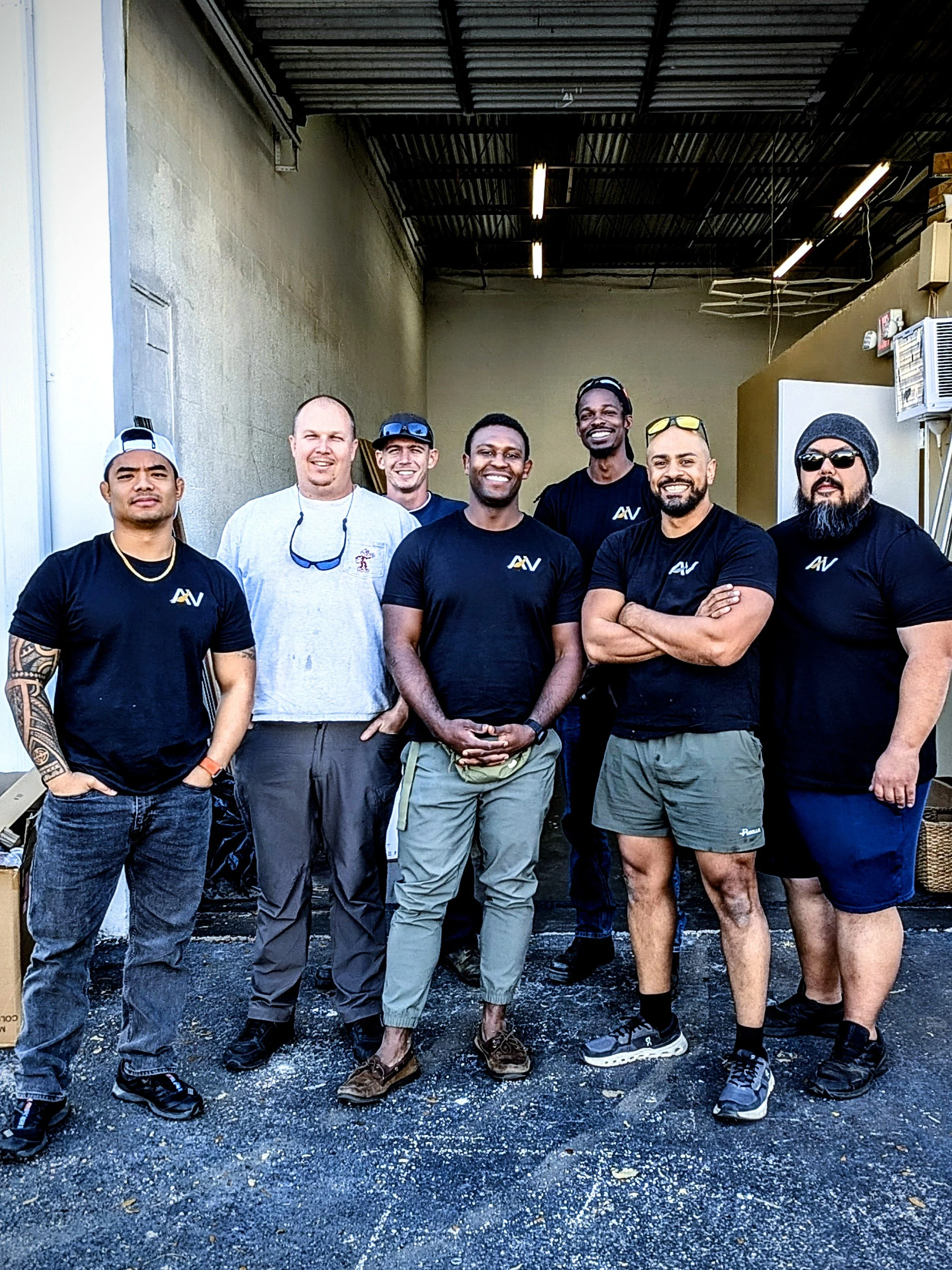
Part of the Crew
This is part of the crew. No org chart, no titles on the wall. Just people who believed in the idea before the idea was fully formed.
I'm the founder, but I'm not the only veteran on this team, and not everyone here has served at all. It doesn't matter. We all show up for the same reason. We all want to be part of something being built from the ground up. Nobody is playing it safe. Startups are a massive risk and everyone involved knows it. There's no guaranteed paycheck, no housing allowance, no HR department to escalate to. What there is, is a shared belief that we are building something worth building, and a mutual accountability to not let each other down
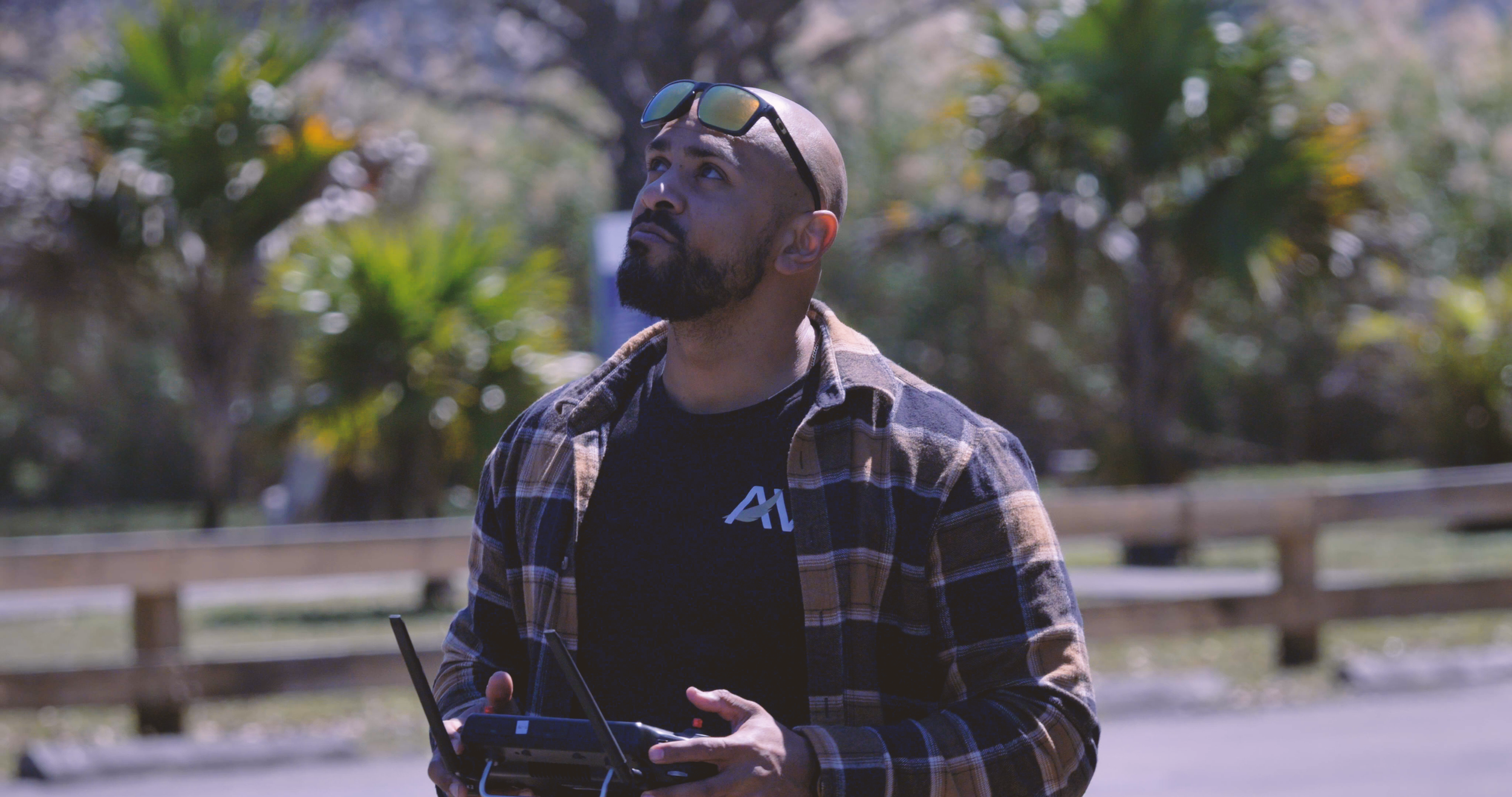
From the cockpit to the controller. The mission changes. The focus does not.
I can attest to the weight of that risk personally. Around 3am, almost every night, I wake up and stare at the ceiling. I question everything!
Every decision.
Every dollar spent.
Every direction we're heading.
I think about how much easier it would have been to just get a job. A real job. One with a salary, benefits, and a clearly defined role.
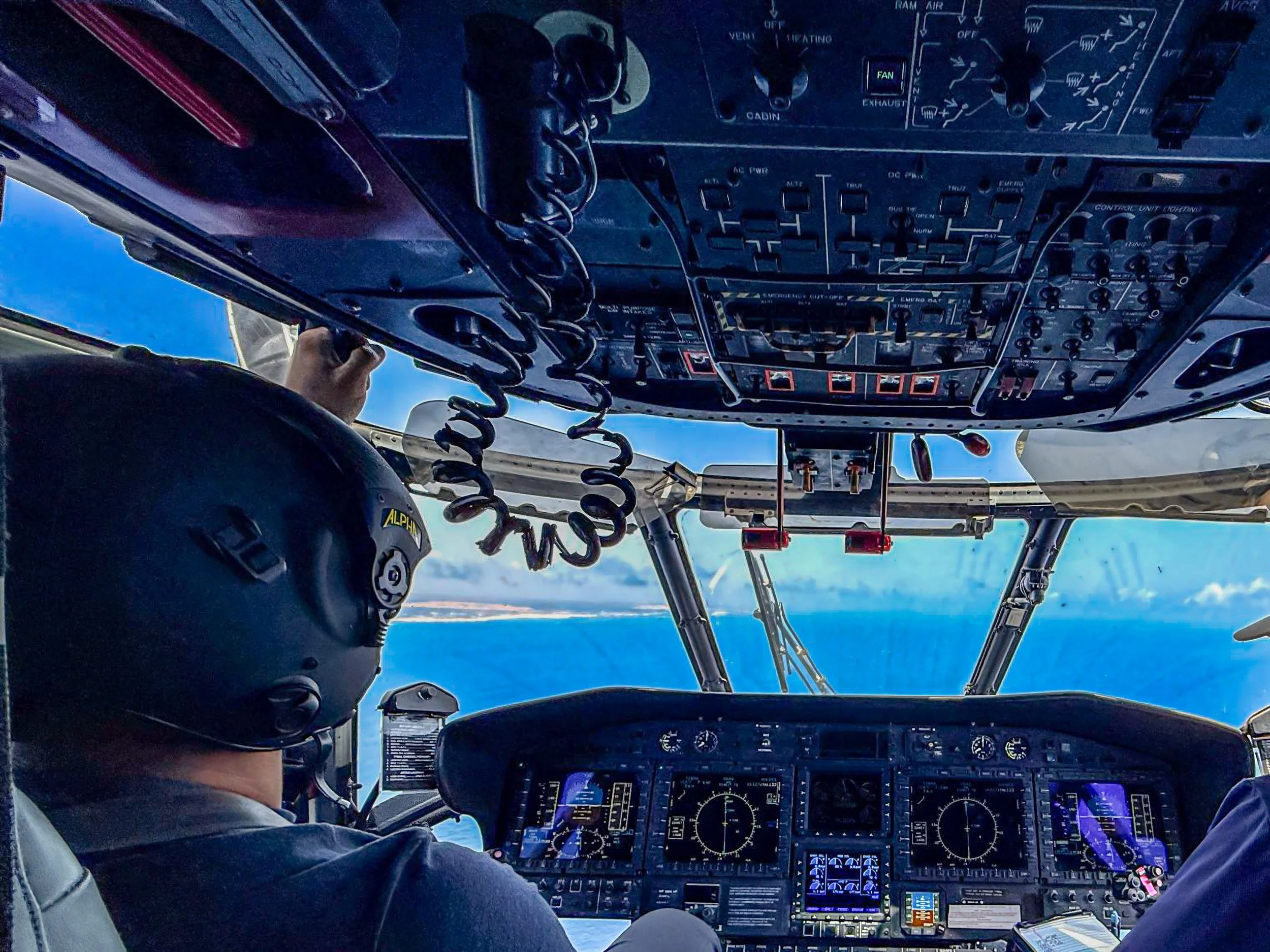
Still in the Seat.
Post-military does not mean grounded. The only the cockpit is different.
The truth is, I still fly. Contractually, and honestly, probably always will. There is a part of me that will never walk away from helicopters and planes, and I have stopped pretending otherwise. The companies I fly for have given me more than a paycheck. They have given me the stability and the space to build something of my own on my own terms. Aerovis exists in part because of the opportunity those jobs created, and I want to pay respect to that. Flying is not a fallback. It is part of who I am. Aerovis is just the other part finally getting its turn.
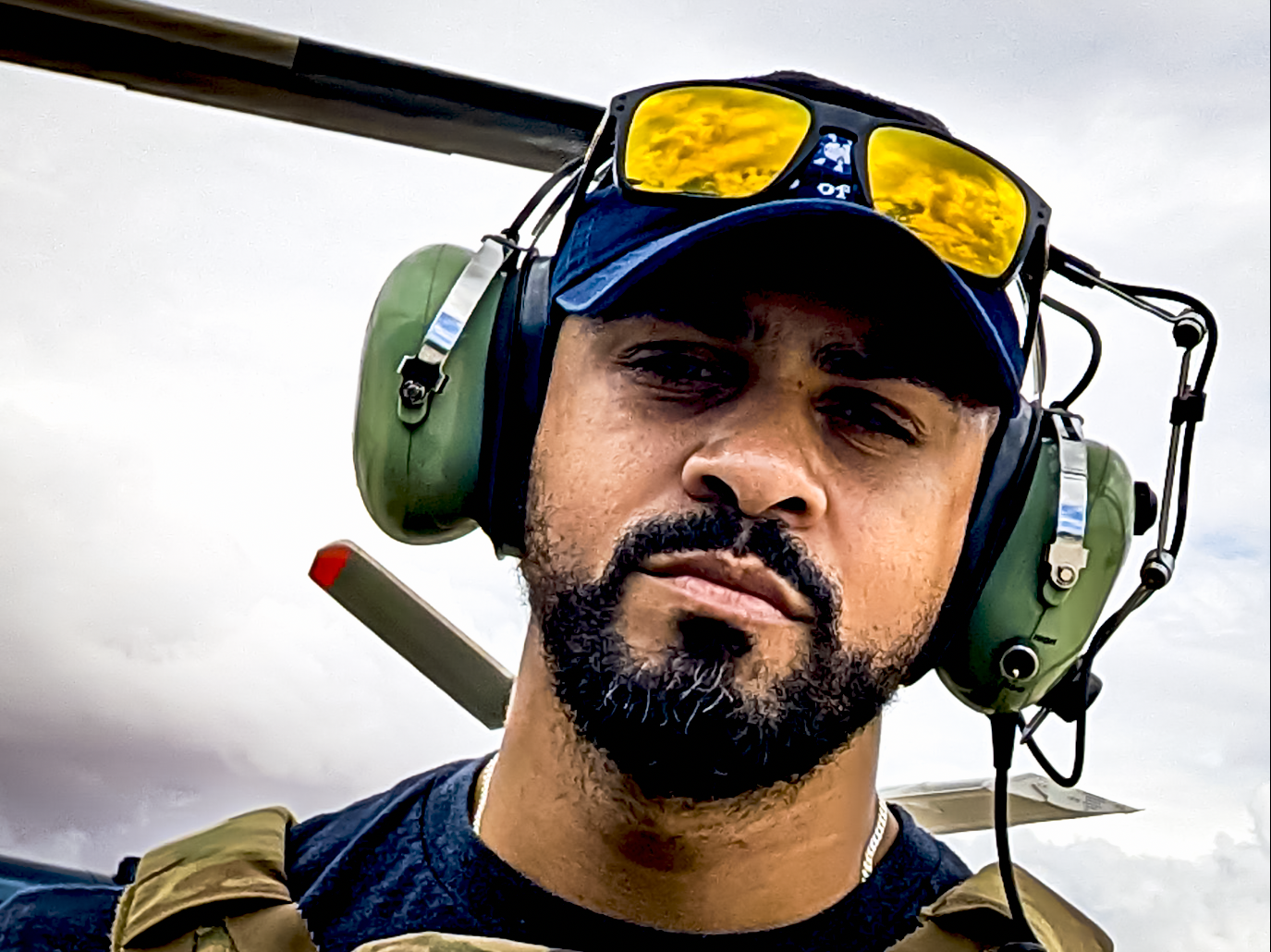
Still Flying. Still Building.
Flying is not a fallback. It is part of who I am.
The Burden and Freedom of Veteran Entrepreneurship
On a personal level, this was always about autonomy. My definition of success is simple: the ability to be where I want or need to be, for the people who want or need me. No job is just going to let you do that. Not really. Unlimited PTO sounds great until you realize you still have to ask permission to use it.
Owning a business is a constant, low-grade worry. That part is real. But there is a level of freedom that comes with that burden, and I have learned to embrace it rather than run from it. While others look to lift that weight from their shoulders, I find meaning in carrying it. I love knowing that everything I do has a direct consequence on the outcomes around me. That my effort, or lack of it, actually matters.
That accountability is the whole point of it all.
Aerovis is a drone solutions company. We apply military-grade tactical planning to civilian operations across security, executive protection, Counter-UAS, roofing inspections, and construction. Whatever the mission, the standard doesn't change. If you want to learn more or work with us, reach out to our team.
